
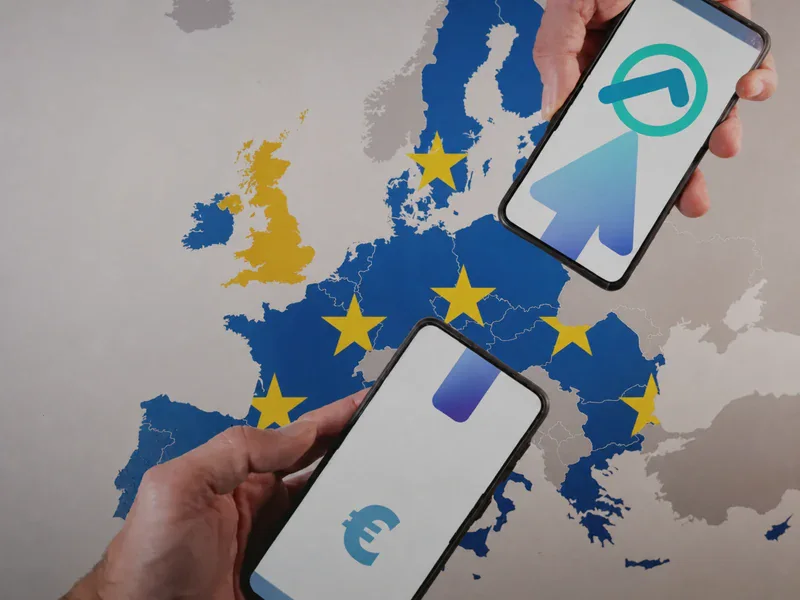
Financial transactions in Europe are becoming increasingly integrated and faster. For individuals and organizations operating within the euro area, the ability to make cross-border payments in a standardized, reliable, and cost-effective manner is a critical need. This is where the SEPA Credit Transfer (SCT) scheme comes into play.
SCT is a mechanism defined by the European Payments Council (EPC) and designed to facilitate euro-denominated transfers between banks within the European Economic Area (EEA).
What Is SEPA Credit Transfer?
SEPA Credit Transfer (SCT) is an electronic credit transfer executed in euros. Through this system:
• Domestic and cross-border euro transfers are processed under the same standards.
• The use of IBAN and BIC is mandatory, minimizing the risk of incorrect transfers.
• Transfers typically reach the beneficiary’s account within one business day.
For example, when a company in Germany makes a payment to a supplier in France via SCT, the transaction is processed as simply and quickly as a domestic transfer.
Advantages of SCT
✅ Standardization: The same rules apply across all EEA countries.
✅ Speed and Security: Transactions are processed automatically in electronic environments.
✅ Cost Efficiency: Significantly lower costs compared to international SWIFT transfers.
✅ Transparency: Transfer times and fees are known in advance.
✅ Operational Convenience: Enables multinational companies to manage payment operations across different countries using a single format.
Differences Between SCT and SWIFT
• SWIFT is a globally used system, while SCT is applicable only within the euro area.
• SWIFT transfers may take 2–5 business days, whereas SCT transfers are completed within a maximum of one business day.
• SWIFT transactions are generally more expensive, while SCT transfers offer a more cost-effective alternative.
SCT and Digital Banking
In today’s rapidly digitalizing world, SCT forms a critical infrastructure, particularly for fintech companies, e-commerce platforms, and payment service providers.
• It enables seamless payments in online shopping.
• Through mobile banking applications, users can initiate SCT transfers with just a few clicks.
• It is an ideal solution for automated payments, such as utility bills or salary payments.
Future Outlook
The European Central Bank and the EPC continue to work on further enhancing SCT. With SCT Inst (Instant Credit Transfer), payments can now be executed within seconds, paving the way for real-time financial integration across Europe.
Conclusion
SEPA Credit Transfer (SCT) has become one of the cornerstones of the European financial system. With its reliable, fast, and cost-efficient structure, it simplifies cross-border payments for both individuals and organizations. As digital transformation accelerates, the importance of SCT will continue to grow, forming the foundation of a real-time, seamless, and more secure payment infrastructure in the future.